Pharmacists not protected by ‘deeply flawed’ Assisted Dying Bill, warns former Paralympian
Neil Trainis,
31 Mar 2026 2 Min
2 Min

Neil Trainis,
31 Mar 20262 Min
Neil Trainis,
31 Mar 20262 Min


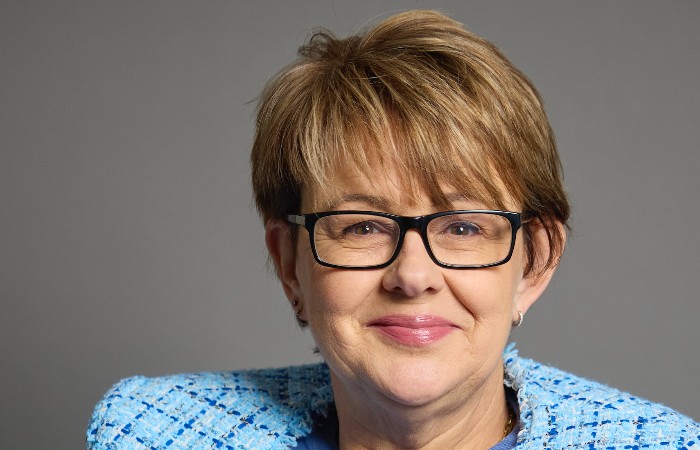
The former Paralympian Baroness Tanni Grey-Thompson warned the House of Lords during its debate on the Assisted Dying Bill on Friday that pharmacists would not be protected in its current form.
The Bill’s progress through the Lords since it was passed by MPs in the Commons last year has been slow and now looks very unlikely to become law in this parliamentary session.
There have been deep concerns within pharmacy about the protections the Bill offers pharmacists, with the Royal Pharmaceutical Society (RPS) vigorously campaigning for protections such as clear opt-in rather than opt-out procedures. The RPS opposed the introduction of a separate Bill in Scotland this month after the removal of a “conscience clause” which would have shielded pharmacists who chose not to take part in assisted dying.
Baroness Grey-Thompson said it was “unclear” what pharmacists, as well as doctors and medical practitioners in England and Wales, “can actually opt out of”. Suggesting the Bill’s potential impact on pharmacists had not been properly discussed in the Lords, she said: “I do not believe that they are adequately protected.”
Describing the Bill as “deeply flawed”, she warned Clause 31, which protects individuals “from any duty to participate in assisted dying”, lacked clarity.
“It is unclear what ‘provision of assistance’ (under Clause 31) means and whether that is opting out of the conversation or of the whole process,” Baroness Grey-Thompson said, adding the Bill was “economically risky and fails to safeguard the rights of organisations and individuals who want to conscientiously object”.
During the Lords debate, Baroness O’Loan said she supported the introduction of “a specialist register for assisted dying” for pharmacists which would be maintained by the General Pharmaceutical Council. The Royal College of General Practitioners strongly opposed a similar register for GPs.
Lord Harper said he was concerned the Bill failed to make it clear whether assisted dying was defined as a medical treatment and, insisting it should not be, challenged Lord Falconer, who is leading the drive to push the Bill though, to clarify that.
“This is not dancing on the head of a pin; it is really important, because for this to be opt-in, not opt-out, everyone involved has to be clear about their responsibilities,” Lord Harper said.
Lord Falconer rejected that, insisting there “could not be greater legal clarity that there is no legal obligation either to raise it or to participate in it”.
Lord Harper said: “If the provision of assisted suicide is regarded as medical treatment, medical professionals, in particular, have a whole range of other professional and legal duties that they have to undertake.
“They may not be compelled by the Bill to participate in providing assisted suicide, but some of their other legal duties may force them to do so if it is regarded as a medical treatment.”
Image: www.parliament.uk