Treatment options
Treatment options
The key to preventing most – if not all – dental problems, is to follow a good oral hygiene regimen:
- Brushing teeth twice a day for two minutes each time (one occasion being last thing at night) with a fluoride-containing toothpaste
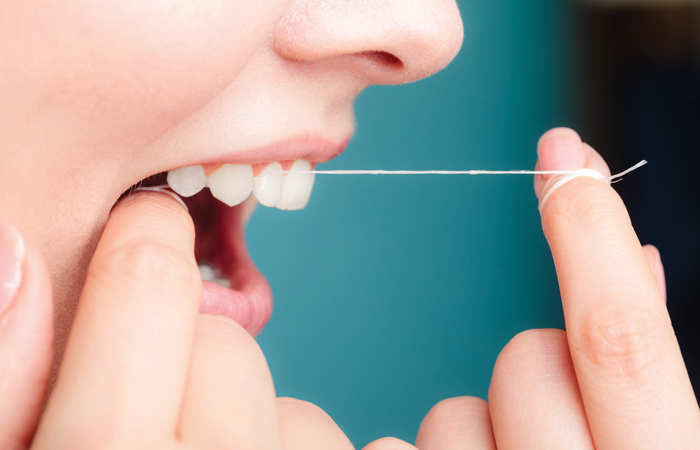
- Using floss or interdental brushes daily to remove plaque and food debris from between the teeth and under the gum line
- Rinsing with a mouthwash that contains fluoride to remove bacteria from hard-to-reach areas of the mouth, as well as from the tongue, gums and roof of the mouth. This should not be used at the same time as brushing as it washes away the fluoride in the toothpaste, lessening its impact.
If oral health problems have already occurred, the following can be recommended:
OTC oral pain relieving gels containing a local anaesthetic such as benzocaine (e.g. Orajel Dental Gel) can be recommended to help relieve the pain of toothache caused by issues such as tooth decay, until the customer can see a dentist.
Specialist mouthwashes (e.g. CB12, ultraDEX) can be used as part of an oral health routine to neutralise and prevent the formation of the gases that cause bad breath.
Specialist toothpastes and mouthwashes may help sensitive teeth (e.g. Sensodyne, Colgate Sensitive Pro Relief). If the problem persists, customers may need to see a dentist for further investigation.
Antiseptic products such as those containing chlorhexidine (e.g. Care Chlorhexidine Digluconate Antiseptic Mouthwash, Corsodyl Mouthwash and Dental Gel) may help treat and prevent gingivitis.
Fluoride facts
The amount of fluoride in toothpaste is measured in parts per million (ppm). Toothpastes containing 1,350 to 1,500ppm fluoride are the most effective.
A dentist may advise people to use higher strength toothpaste if they are at particular risk of tooth decay.
In general:
- Children under three years of age should brush twice daily with a smear of toothpaste containing at least 1,000ppm fluoride
- Children aged between three and six years should brush at least twice daily with a pea-sized amount of toothpaste containing more than 1,000ppm fluoride
- Adults should brush at least twice daily with a toothpaste containing 1,350 to 1,500ppm fluoride.
Age-appropriate products containing the recommended amounts of fluoride are available for children (e.g. Aquafresh Milk Teeth Baby Toothpaste, Colgate Kids Toothpaste).