Understanding the problem
Understanding the problem
One in five people in the UK suffer from hayfever – that’s around 18 million individuals – and it is estimated that numbers will soar to 31.8 million by 2030.
The rise is being linked to air pollution and the effects of climate change, as increases in environmental temperature can lead to more pollen-bearing plants and the hayfever season starting earlier.
In 2025, online searches for NHS hayfever advice more than doubled in late spring and early summer due to high pollen levels, with more than 19,500 visits to the NHS England webpage during one 72 hour period.
Pollen levels, often referred to as the pollen count, vary with the time of year and weather. In general:
Tracking pollen levels


March – April:
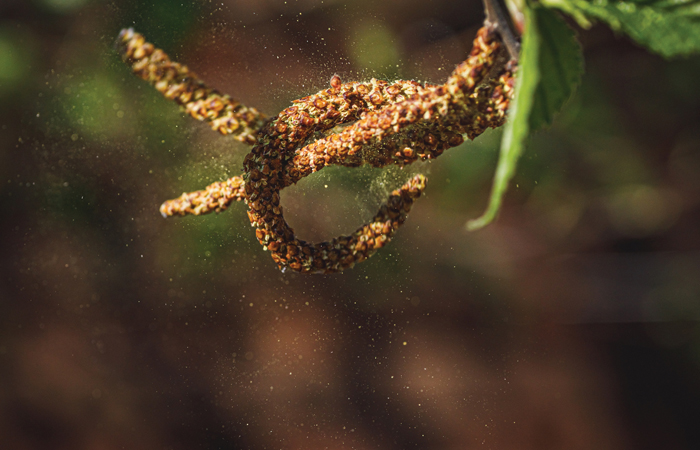
Tree pollen (e.g. birch) is released during spring. However, trees such as hazel and yew may cause symptoms as early as February, while oak pollen may persist into June.
May – July (peak in June and July):
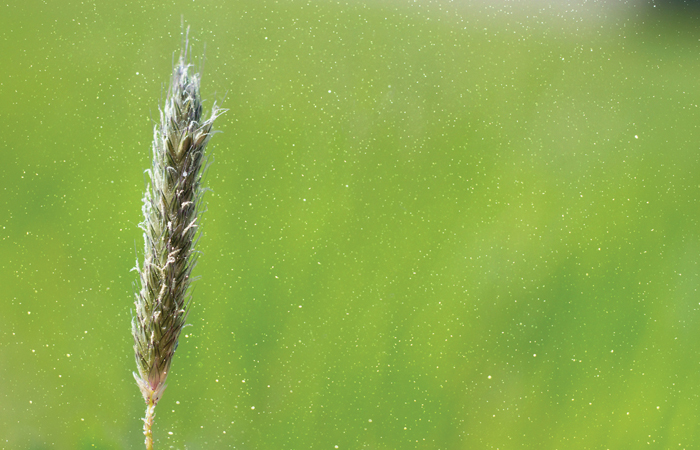
Grass pollen is released at the end of spring and the beginning of summer and affects around 90 per cent of hayfever sufferers.
June – August: Weed pollen, such as nettle, is released from early spring through to late autumn.