Understanding the problem
Understanding the problem
Insomnia
Insomnia is defined as regular unsatisfactory sleep. This may mean that sleep is insufficient or of poor quality due to factors such as difficulty falling asleep, being unable to stay asleep or waking early.
More women suffer than men, but the incidence increases in both sexes with age. Insomnia can be classed as short-term (less than four weeks) or long-term/persistent (longer than four weeks).
Common causes of insomnia include:
- Stress and/or anxiety: this may be related to numerous factors, including work, financial worries or health concerns
- Poor sleep hygiene: for example, using electronic devices in bed, eating or drinking too late in the evening, and smoking
- Poor sleep environment: for example, the room is noisy, too light or the incorrect temperature
- Medical conditions: bronchitis, asthma, angina, irritable bowel syndrome, acid reflux, headache, arthritis, incontinence and nocturia (getting up in the night to pass urine), thyroid problems and the menopause can all affect sleep. In addition, there is a recognised link between insomnia and mental health conditions such as depression, post-traumatic stress disorder and schizophrenia
- Medication and other substances: prescribed medicines such as antidepressants, epilepsy medication, corticosteroids, non-steroidal anti-inflammatory drugs (NSAIDs) and some blood pressure treatments can all negatively impact sleep, as can alcohol, caffeine and nicotine
- Jet lag and shift work: both require us to function in dim light, which the body interprets as time to sleep.
Stress
Most people will experience some degree of stress in their lives. There are many things that can cause stress, including money worries, work pressures, relationship issues, family problems, increased responsibilities and even worrying about not getting enough sleep – which can cause a perpetual cycle of insomnia.
Stress can have mental and physical effects and cause changes in a person’s behaviour. Signs of stress include:
Physical: muscle tension, headache, stomach problems,
chest pain
Mental: worrying, forgetfulness, anxiety, feeling overwhelmed
Changes in behaviour: feeling irritable, drinking or smoking more, a change in eating habits, sleeping too much or too little.
Many people resort to unhealthy habits such as drinking or smoking more when they are stressed, but not only is this bad for health in general, it can cause other issues, particularly when it comes to sleep.
Perpetual stress that affects sleep can lead to feelings of anxiety, depression and loneliness. It can even develop into more serious conditions, such as psychosis and paranoia.

Did you know?
Tiredness peaks twice a day: at around 2am and 2pm, which is one reason why people struggle from the ‘afternoon slump’ after lunch.
Other sleep conditions
There several common conditions that can impact sleep, including:
Obstructive sleep apnoea
Obstructive sleep apnoea (OSA) is a relatively common condition, particularly among men aged 30-60 years old, where the walls of the throat relax and narrow during sleep, causing repeated interruption to breathing. As a result, oxygen levels in the blood fall, which triggers the brain to wake the person up. This may occur many times during the night.
The most common symptoms of OSA include breathing stopping and starting, loud snoring, waking frequently and repeated periods where breathing is interrupted by gasping, snorting or choking.
Sufferers may feel drowsy the following day, have poor memory or difficulty concentrating, and be more prone to headaches, mood swings, irritability and depression. Referral to a GP will be needed to confirm the diagnosis of sleep apnoea, and explore treatment options.
Restless legs syndrome
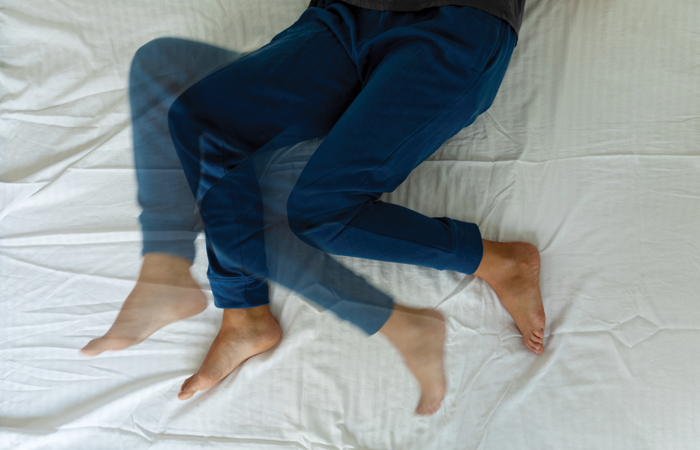
Affecting around one in 10 people in the UK, and twice as many women as men, restless legs syndrome is characterised by an unpleasant crawling or creeping sensation in the feet, calves and thighs, resulting in an overwhelming desire to move the legs.
Symptoms are often worse in the evening and may include involuntary jerking or twitching of the limbs. In most cases, there is no obvious cause, although some sufferers have an underlying health condition such as iron deficiency anaemia or kidney failure.
Around one in five pregnant women suffer in the last trimester of pregnancy, but symptoms often disappear after the baby is born.
Adopting good sleep habits, quitting smoking and exercising regularly may help mild cases. Referral to a GP may be needed for more severe cases.