MHRA seizes £2 million worth of fake weight loss medicines in Birmingham
Neil Trainis,
15 Oct 2026 2 Min
2 Min

Neil Trainis,
15 Oct 20262 Min
Neil Trainis,
15 Oct 20262 Min


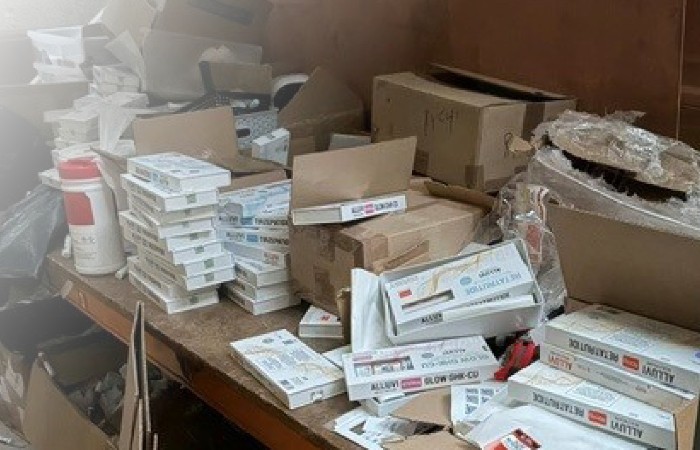
West Midlands Police and the Medicines and Healthcare products Regulatory Agency (MHRA) seized £2 million worth of counterfeit weight loss pens from an industrial unit in Birmingham yesterday.
The raid recovered over 12,000 fake retatrutide and tirzepatide pens and packaging for 30,000 more products. Retatrutide has not been authorised for use in the UK.
Tim Duffield, head of intelligence at the MHRA’s criminal enforcement unit, said: “We are tackling the organised criminal gangs whose illegal trade in unauthorised medicines puts people at risk of serious harm.
“Our officers seized around £2 million worth of fake weight loss medicines from a filthy warehouse on an industrial estate. These products have not been assessed for safety, quality or effectiveness, and there is no guarantee of what they contain or whether they have been contaminated with harmful substances.”
Duffield warned products being sold as retatrutide outside legitimate clinical trials were being supplied illegally and posed serious risks to public health.
“We urge people to avoid buying weight-loss medicines from unregulated sources,” he said. “Anyone considering GLP-1 treatment should speak to a healthcare professional and only obtain medicines from a registered pharmacy against a valid prescription.”
The raid is the latest in a series of operations carried out by the MHRA to recover unauthorised GLP-1 weight loss medicines.
In October last year, it seized 5,000 unauthorised retatrutide and tirzepatide pens, thousands of empty pens and raw chemical ingredients which had the potential to produce tens of thousands of doses.
In February this year, 2,000 doses of unauthorised weight-loss medicines awaiting dispatch were seized, as well as manufacturing equipment, suspected pharmaceutical ingredients, packaging and commercial vehicles.
Two arrests were made in May after a raid on a country estate which was suspected to have been used as a manufacturing, assembly and distribution site for unlicensed weight-loss medicines.
Some 12,000 doses were recovered as well as packaging materials and suspected pharmaceutical substances.
Image: The Medicines and Healthcare products Regulatory Agency.