


 Managing reflux
MANAGING REFLUX
Reflux is caused when the ring of muscle at the bottom of the oesophagus (food pipe) becomes weakened. The oesophagus opens to let substances enter the stomach and closes to prevent stomach contents (including acid, pepsin and bile) travelling back up the oesophagus.2
However, when the oesophagus becomes weakened, these contents can leak back into the oesophagus and cause unpleasant reflux symptoms. It’s not always apparent what causes the gullet to become weakened; however, some factors can increase the risk of it occurring.2
Click through the carousel to learn more about the various causes of reflux1-5

CERTAIN FOODS AND DRINKS
As you’ve seen in the video, many cases of reflux occur after eating. Some foods and drinks are particularly implicated in reflux, including fatty or spicy foods, alcohol, fizzy drinks and coffee. The stomach can take longer to get rid of stomach acid after digesting a fatty meal and the resulting excess acid may leak into the oesophagus. Eating too quickly or too much can also make reflux worse

PREGNANCY
Many women can develop symptoms of reflux, including heartburn, particularly during the later stages of their pregnancy. It could be due to changes in hormone levels and increased pressure of the growing baby pushing upwards on the stomach. Usually, symptoms settle postpartum but they can sometimes continue after pregnancy

SMOKING
Similarly to some foods and drinks like alcohol, coffee and chocolate, the chemicals from smoking could cause the muscles at the bottom of the oesophagus to relax, making reflux more likely

CERTAIN MEDICINES
Some medicines can cause symptoms of reflux or exacerbate them; for example, non-steroidal anti-inflammatory drugs (NSAIDS), calcium-channel blockers (used to treat high blood pressure) and nitrates (to treat angina)

WEIGHT
Being overweight or obese can place increased pressure on the stomach and weaken the muscles at the bottom of the oesophagus

STRESS
Stress and anxiety can lead to symptoms of reflux by causing the ring of the muscle to weaken

POSTURE
Lying down or bending forward frequently can lead to reflux, especially after a meal. It’s quite common for symptoms to worsen at night when lying down. Sitting hunched or wearing tight belts can also add extra pressure on the stomach
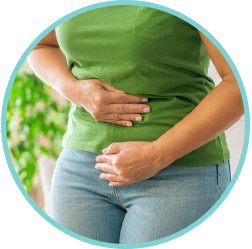
MEDICAL CONDITIONS
Certain medical conditions can cause reflux, including:
Hiatus hernia – when part of the stomach pushes up through the diaphragm (the thin sheet of muscle between the chest and abdomen)
Bacterial infection of the stomach
Gastroparesis (delayed gastric emptying), which slows or stops movement from the stomach to the intestine, leading to excess pressure and acid in the stomach
Some of these factors are modifiable, and simple lifestyle changes
may stop or reduce symptoms of reflux.
WHICH OF THE FOLLOWING TIPS WOULD YOU ADVISE IN ORDER TO REDUCE OR PREVENT SYMPTOMS OF REFLUX?3,4
| Tick the relevant box | DO | DON'T |
|---|---|---|
| Maintain a healthy BMI, particularly if they are overweight or obese | ||
| Smoke | ||
| Eat within 3-4 hours before going to bed | ||
| Eat rich, spicy or fatty foods or food that trigger symptoms | ||
| Cut down on coffee, fizzy drinks and alcohol | ||
| Eat smaller, more frequent meals | ||
| Find ways to relax if stressed | ||
| Stop taking prescribed medicines that seem to cause reflux symptoms (e.g. nitrates) without speaking to their doctor first | ||
| Wear clothes that are tight around the waist | ||
| Raise the head and shoulders when in bed to stop stomach acid moving up whilst sleeping |
For most people, symptoms of reflux are just uncomfortable and can be a nuisance.
However, in rare cases, these symptoms can lead to complications.1
Click the tab below for signs to look for that would require you to refer your customer to their GP
You should refer your customer to their GP if they have:1,3,4
Unintentionally lost weight
Frequently been sick
Heartburn or other symptoms most days
Food getting stuck in their throat
Tried lifestyle changes and pharmacy medicines, but these aren’t working
Difficulty or pain when swallowing or are in any severe pain
A lump in the stomach
Bloody vomit or faeces
Suffered from symptoms for three weeks or more